






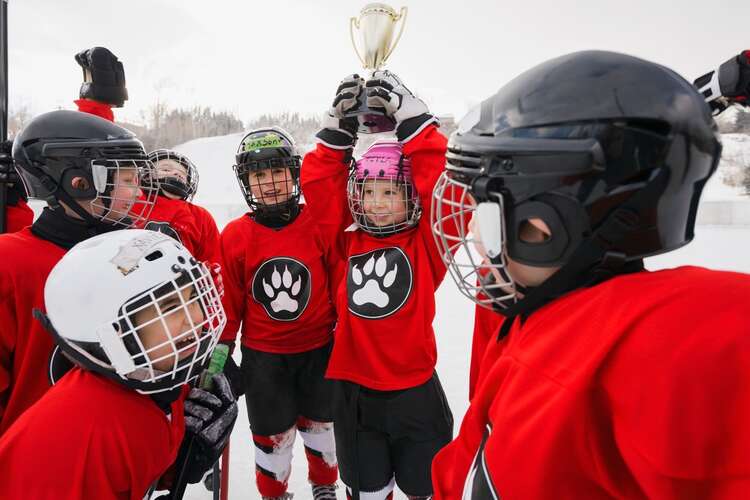
Concussions are more common than many parents realize in youth sports. Any activity that involves contact, falls, or rapid changes in direction can result in a head injury. Football, soccer, and hockey have higher reported rates, but even non-contact sports like gymnastics and cheerleading carry some risk. Recognizing the signs early is critical to protecting children’s health.
How Often They Occur
Studies estimate that hundreds of thousands of children experience concussions each year in organized sports. Younger athletes may take longer to recover than teens or adults because their brains are still developing. Multiple concussions can increase the risk of longer-lasting effects.
Symptoms to Watch For
Concussions do not always involve loss of consciousness. Common symptoms include headache, dizziness, confusion, nausea, blurred vision, and sensitivity to light or sound. Behavioral changes, such as irritability or fatigue, can also indicate a concussion. If a child shows any of these signs, they should stop playing immediately and be evaluated by a healthcare professional.
Prevention and Safety
Proper equipment, rule enforcement, and education are key to preventing concussions. Helmets and hockey protective gear, for example, reduce the severity of impacts but cannot prevent all injuries. Teaching children safe techniques, such as how to fall, also lowers risk. Encouraging open communication and creating a culture where reporting symptoms is normal can protect young athletes.
Parents play an essential role in monitoring, advocating, and supporting safe participation. Awareness, preparation, and prompt action help children enjoy sports while minimizing long-term risks from concussions. Check out the infographic below to learn more.

