



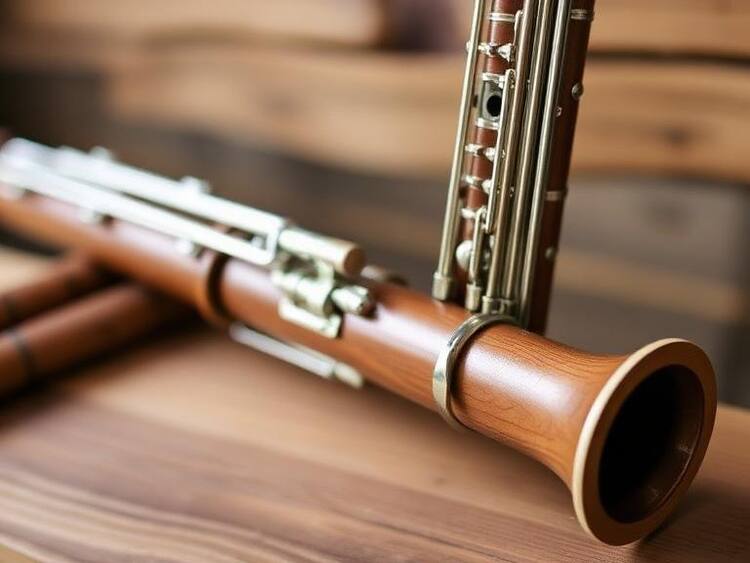
For student woodwind players, accessories play an essential role in shaping the learning experience. Items such as ligatures, mouthpiece caps, and thumb supports may seem secondary to the instrument itself, yet they affect comfort, tone consistency, and overall confidence. When accessories perform reliably, students can focus on improving musical skills instead of adjusting for equipment issues.
Durability matters because students use their instruments in ways that create frequent wear. School schedules often require instruments to be assembled and disassembled multiple times a day, carried between classrooms, rehearsal spaces, and home practice areas. Accessories not built for this level of movement can become distractions rather than helpful tools.
Durable accessories also support a more stable playing experience. When a piece holds its position and responds predictably, students can build consistent embouchure, airflow, and articulation. This is especially important for beginners, who are still learning how their body interacts with the instrument. Reducing unnecessary variables helps students gain confidence and trust in their setup.
Material choice is a key factor. Accessories made with carefully selected materials tend to handle repeated use better. Flexible materials, including fabrics, can distribute pressure evenly and reduce stress on delicate parts. This improves comfort while helping accessories keep their shape and function over time, much like Rovner ligatures.
Moisture exposure is another concern. Breath and condensation are unavoidable, so accessories that manage moisture well are less likely to degrade or become unpleasant to use. Over time, reliable accessories help students stay focused on making music.